Nourishing the Postpartum Body: Three Healing Recipes I Make for New Parents
Warm, Nourishing Meals Designed to Support Recovery After Birth
One of the things I love about my work as a postpartum doula is preparing meals for the families I support. There is something very meaningful about preparing food for others, as I have discovered in my life as a mother, caregiver, and friend. Birth is hard work, and the birthing parent’s body is working overtime in the days and weeks following such a huge event. It must heal from the physical act of labor and delivery, produce milk, adjust hormonally, and care for a brand new baby, all while running on significantly reduced sleep. The body needs more than just calories.
Food during this time is not just fuel. It is medicine, comfort, and care. When I cook for a postpartum family, I think about how each ingredient aids in recovery, and also how it feels to consume that meal. Each ingredient has a role, whether nutritious or delicious (most are both!)
These are not just any recipes. Each one was chosen or created with intention, built around ingredients that research and tradition both point to as restorative and healing for the postpartum body. Here are three of the meals I return to again and again for the families I care for, and the reasons I chose them.
Why Postpartum Nutrition Deserves Real Attention
The nutritional demands of postpartum recovery are enormous, and they are often underestimated. Birth itself involves significant blood loss, which depletes the body's iron stores. Postpartum anemia caused by iron deficiency affects up to half of all women in developed countries (Neef et al., 2024). If you are breastfeeding, your energy needs increase and your body draws on stores of protein, calcium, zinc, and B vitamins to produce milk (Kominiarek and Rajan, 2016). Collagen and amino acids play a critical role in tissue repair, helping the uterus heal, supporting any surgical incisions, and restoring the pelvic floor (Mathew-Steiner et al., 2021). On top of all of that, the connection between good nutrition and mood stability is well documented. A 2024 systematic review found that low levels of vitamin D, iron, and folate, along with a diet lacking in vegetables, were associated with higher risk of postpartum depression (Ghaedrahmati and Alipour, 2024). When the body is well nourished, it has a much stronger foundation for navigating the hormonal shifts, sleep deprivation, and emotional intensity that come with new parenthood.
Many cultures around the world and throughout history highlight nutrition as a way to aid in this recovery process, In Chinese tradition, the "sitting month" prioritizes warm, slow-cooked, nutrient-dense meals for new parents. Korean families prepare seaweed soup rich in iron and iodine. Latin American traditions include caldos (broths) made with healing herbs and bone-rich stocks. A qualitative systematic review examining traditional postpartum practices across more than 20 countries confirmed that prescribed nutrient-dense foods and warm meals were consistent among healing practices spanning cultures and continents (Dennis et al., 2007). This is ancient wisdom coupled with modern nutrition science.. Warm, easy-to-digest, protein-rich foods help the postpartum body recover faster and more completely.
Nourish and Heal Lasagna
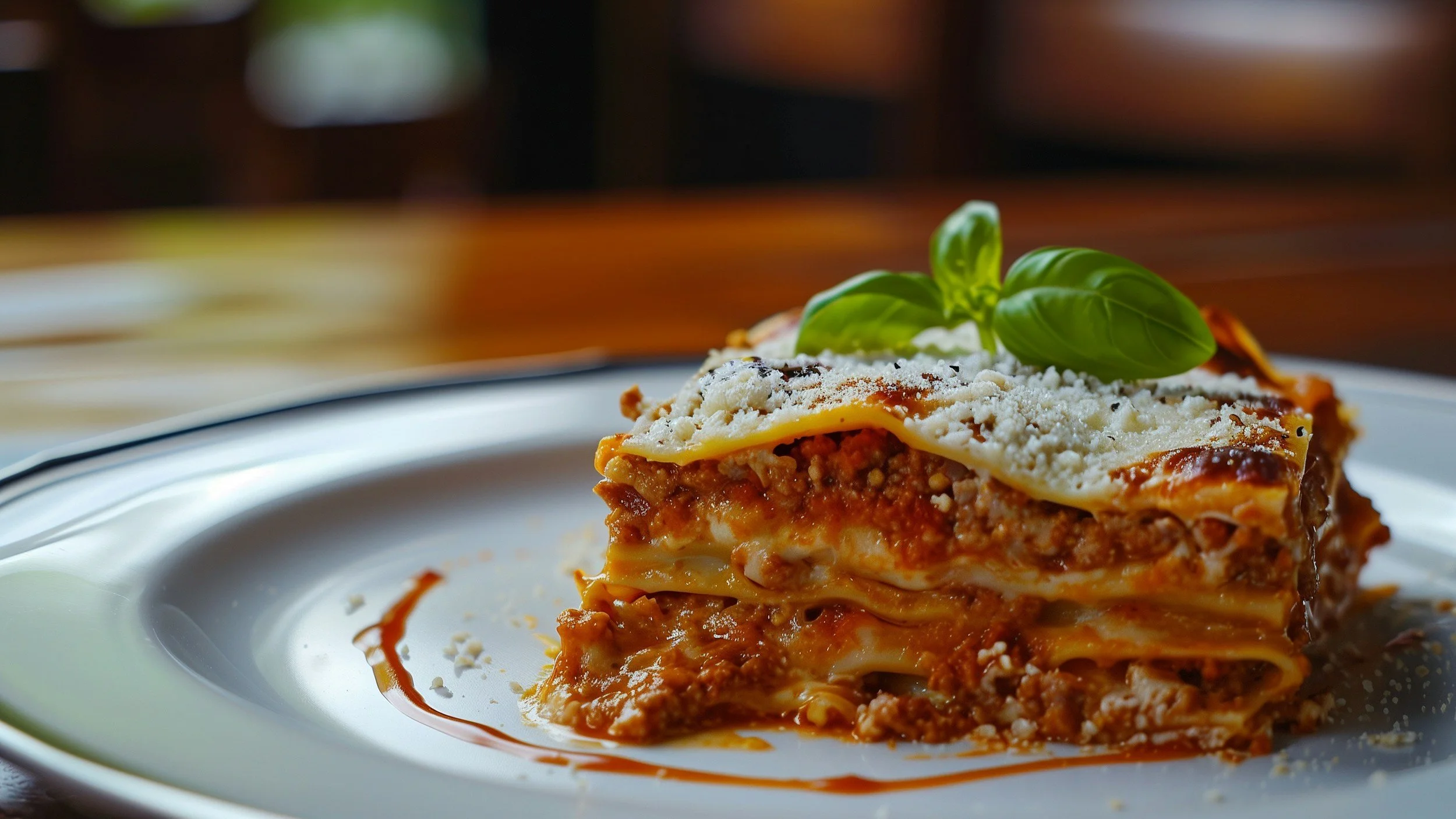
Recipe by Ashley of Loving Care Collective
This lasagna is a meal I love. I developed it because I wanted something that felt indulgent and comforting (because new parents deserve that) but was also packed with nutrients that actively support healing. The secret is in the from-scratch sauce. I saute carrots, cremini mushrooms, garlic, and onions, then blend them right into a fresh tomato base. That means the body gets to benefit from all those nutrient rich vegetables without having to work to break them down. Lycopene, the antioxidant found abundantly in cooked tomatoes, has been shown to be a strong antioxidant, with potent anti-inflammatory properties (Shafe et al., 2024).
Ingredients
1 pound ground beef
9–12 lasagna noodles
4 cups chopped tomatoes
8 ounces canned plain tomato sauce
6 cloves garlic, minced
1 medium onion, diced
1/3 cup fresh basil, chopped
2 tablespoons olive oil
1 teaspoon salt
1 teaspoon black pepper
1 teaspoon Italian seasoning
15 ounces ricotta cheese
1 large egg
1 cup diced carrots
1 cup chopped cremini mushrooms
4 cups fresh spinach, roughly chopped
1 cup shredded part-skim mozzarella cheese
1 cup grated parmesan cheese (for the top before baking)
Instructions
Saute onions, garlic, carrots, and cremini mushrooms in olive oil until soft.
Add chopped tomatoes, tomato sauce, basil, salt, pepper, and Italian seasoning. Simmer 15–20 minutes until tomatoes are very soft.
Blend the sauce until smooth.
Wilt spinach in an oiled skillet for 1–2 minutes, cool slightly, chop, and mix into ricotta. Whisk the egg in a small bowl, then fold it into the ricotta mixture until evenly combined.
Brown the ground beef, drain and combine with the blended tomato sauce.
Layer sauce, noodles, spinach-ricotta mixture, and mozzarella, repeating until all ingredients are used.
Sprinkle parmesan evenly over the top.
Cover and bake at 375 degrees F for 30 minutes. Remove cover and bake for 10 additional minutes until bubbly and golden.
Rest 10 minutes before serving.
Blended Vegetable and Bone Broth Soup
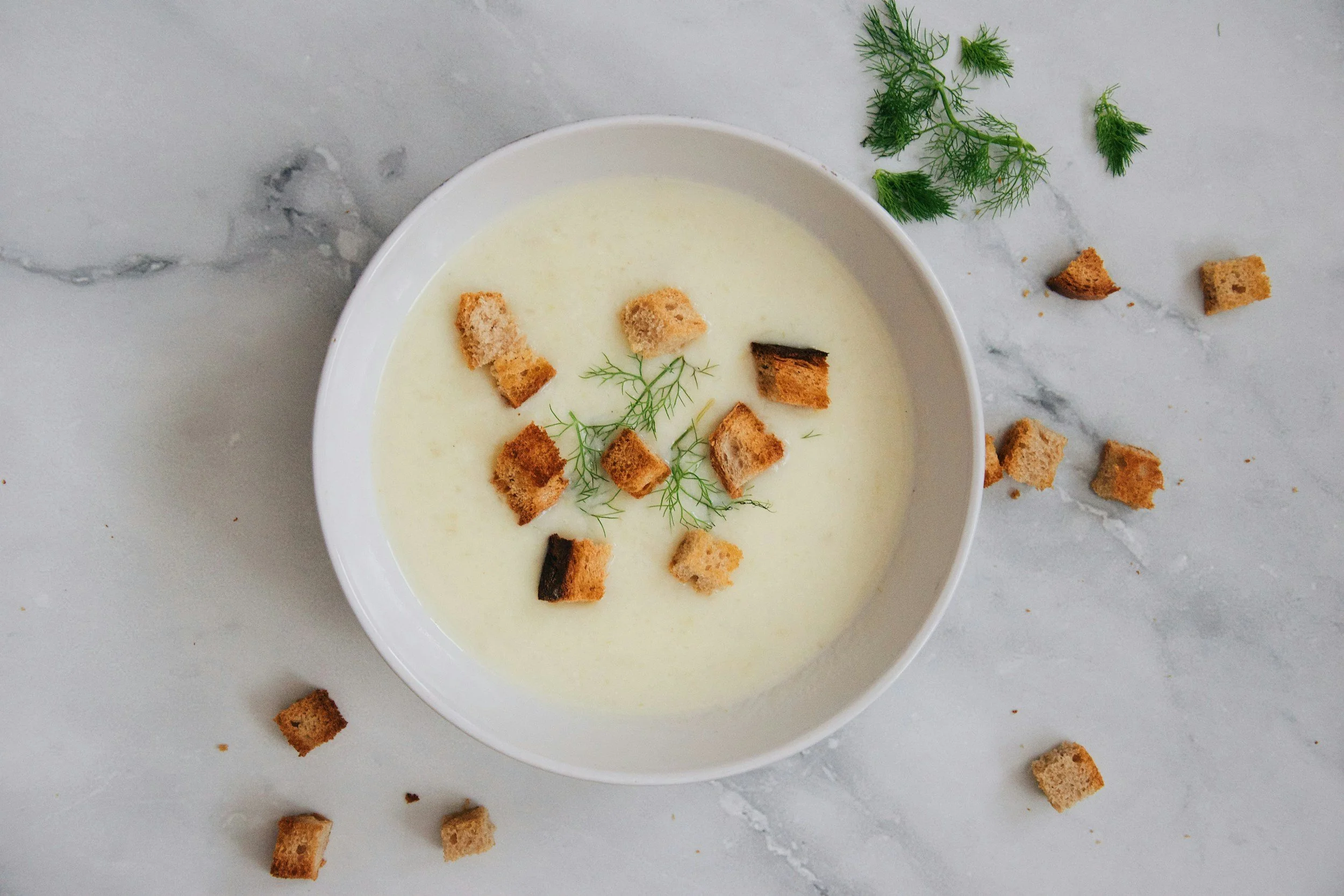
Adapted from a recipe by Joanne Gallagher of Inspired Taste. More source information can be found at the bottom of this post.
This recipe is a go-to of mine. The chicken bone broth provides collagen, amino acids, and electrolytes that assist in tissue repair and hydration, two things a postpartum body really needs. Research confirms that collagen is central to every phase of wound healing, from regulating inflammation to supporting the growth of new tissue (Mathew-Steiner et al., 2021). The carrots and potatoes supply complex carbohydrates and vitamin A to restore energy and support cellular recovery, while the celery and onions contribute antioxidants and gentle fiber that promote healthy digestion. The cream or coconut milk adds healthy fats that help with hormone balance and nutrient absorption.
What I love about this soup is how gentle it is on the body. Everything is cooked until very tender and then pureed until silky smooth, which means, similar to the Nourish and Heal Lasagna, the digestive system does not have to work hard to access all of those nutrients. That matters enormously in the first few weeks postpartum, when the body is redirecting so much energy toward healing and (if you are breastfeeding) milk production. This soup is warm, nourishing, and easy to eat. This is a large batch recipe and can be refrigerated or frozen for easy meals later.
Ingredients
2 large onions, chopped
2 pounds carrots (8–10 medium), peeled and chopped
8 celery stalks, chopped
2 tablespoons olive oil
Salt, to taste
1/2 teaspoon crushed red pepper flakes
2 pounds thin-skinned potatoes (6 medium), chopped
6 garlic cloves, peeled and halved
6 cups chicken bone broth
2 bay leaves
6 sprigs fresh thyme or 1 teaspoon dried thyme
1/2 cup half-and-half, cream, or coconut milk
Instructions
Heat the olive oil in a large pot over medium high heat. Add the onions, carrots, and celery, sprinkle with salt and the crushed red pepper flakes, and cook for 5 to 10 minutes, stirring occasionally, until the vegetables soften and become fragrant.
Stir in the potatoes, garlic, bay leaves, and thyme and cook for another 5 minutes, adding a little more oil if the pot seems dry.
Pour in the chicken bone broth and bring the mixture to a boil, then reduce the heat and let it simmer until the potatoes are very tender, about 15 to 20 minutes.
Remove the bay leaves and thyme sprigs, then puree the soup with an immersion blender until completely smooth.
Stir in the cream or coconut milk and adjust the seasoning with additional salt if needed before serving.
Note: This meal can also be made in a crockpot or pressure cooker.
Postpartum Pot Roast
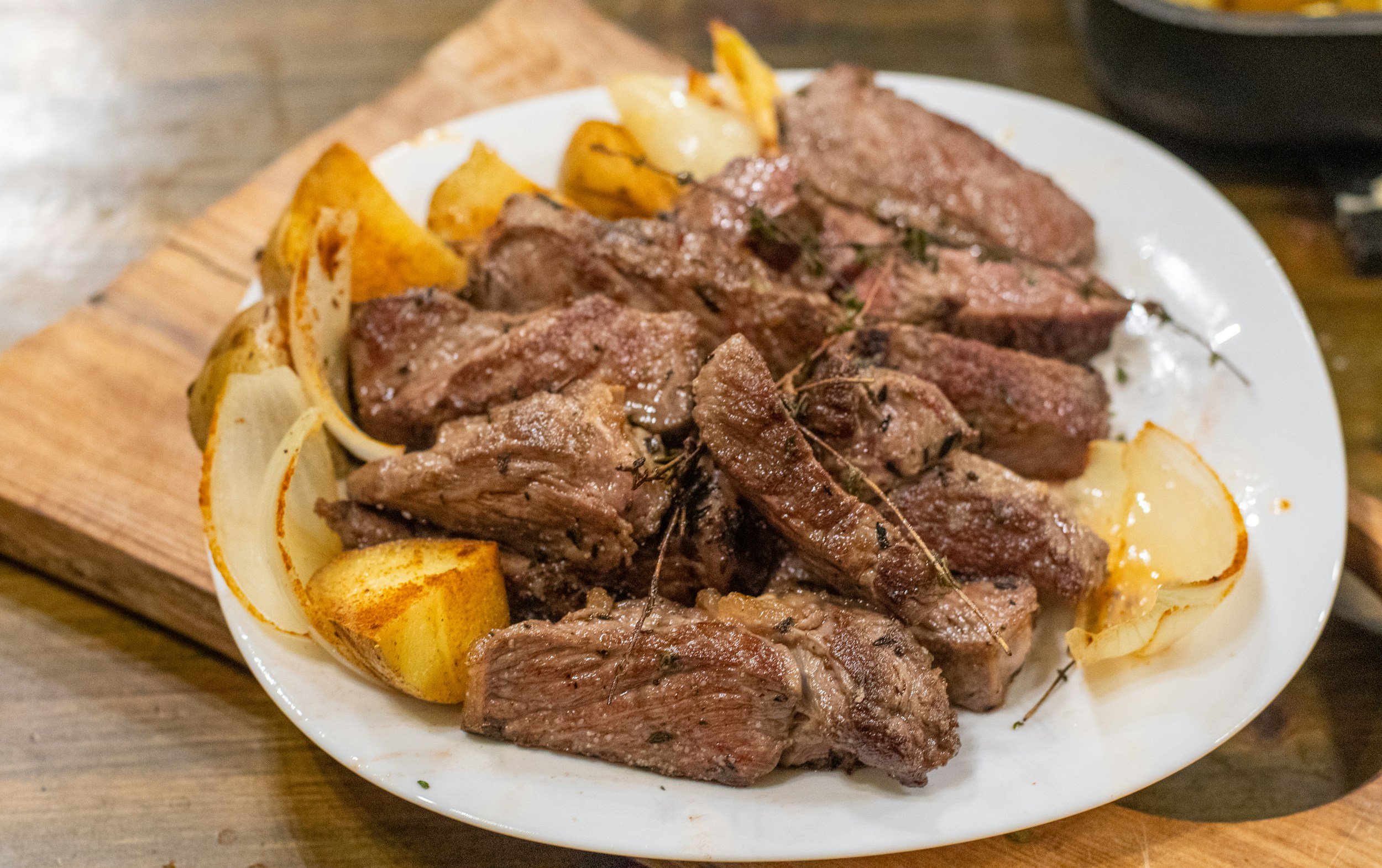
Adapted from a recipe by Lindsay Taylor, The Food Doula. More source information can be found at the bottom of this post.
There is something about a slow-cooked pot roast that just feels like home. The long cooking time does incredible things for both the flavor and the nutrition of this meal. As the beef simmers low and slow for hours, the connective tissue breaks down, releasing collagen and amino acids directly into the cooking liquid. The meat becomes fall-apart tender, which makes it incredibly easy to digest, and the root vegetables soak up all of that rich, mineral-dense broth as they cook. Carrots provide beta-carotene and steady energy. Potatoes offer complex carbohydrates and potassium. Mushrooms bring B vitamins and selenium. And the beef bone broth adds hydration and minerals that help replenish what the body uses heavily during recovery.
I love this recipe because it is so simple to prepare and so deeply satisfying to eat. You sear the roast, build the braising liquid with balsamic vinegar, honey, tomato paste, and miso (which adds a beautiful depth of umami flavor along with gut-friendly probiotics), then let everything cook together until the whole house fills with warmth. It can be made in a Dutch oven on the stovetop, in a slow cooker, or in a pressure cooker, so it works for any kitchen setup. When I serve this to a postpartum family, I usually slice the beef and spoon the vegetables and sauce right over the top. It is a complete, hearty, deeply nourishing meal that requires almost no effort to eat, and it makes wonderful leftovers.
Ingredients
2 1/2 to 3 lb beef chuck roast
1 tbsp avocado oil (for searing)
3 large garlic cloves, minced
1 tbsp chopped fresh rosemary (or 1 tsp dried)
1 tsp dried oregano
1 tsp salt
1/2 tsp black pepper
2 tbsp balsamic vinegar
2 tbsp honey
1 tbsp tomato paste
2 cups beef bone broth
3 medium Yukon Gold or red potatoes, cubed
3 large carrots, cut into chunks
8 oz cremini mushrooms, sliced
1 small yellow onion, sliced
1 tbsp miso paste (or half tablespoon of soy sauce)
1/4 cup warm water
Instructions
Season the roast generously with salt and pepper. Warm the avocado oil in a large Dutch oven or cast iron skillet over medium high heat and brown the roast on all sides. Set it aside.
Add the roast, onion, carrots, mushrooms, and garlic to ta slow cooker.
Stir in the beef bone broth, tomato paste, balsamic vinegar, and honey. Add the rosemary and oregano.
Dissolve the miso paste in the warm water and add it to the pot.
Cook on low for 6 hours on high for 8 hours.
Transfer the roast to a cutting board and slice. Skim excess fat from the cooking liquid, then spoon the vegetables and sauce over the sliced beef before serving.
Note: This recipe can also be made on the stovetop or in a pressure cooker.
Warm, healthy nourishment matters, not just in energy levels or healing timelines, but in how a new parent feels: cared for, seen, and supported in a way that goes beyond words.
That is the heart of postpartum doula care. When I am with a family, I am not just there for one thing. I am preparing meals, caring for your baby so you can sleep, helping you navigate breastfeeding questions, processing the birth experience with you, and making sure your home feels calm and manageable instead of overwhelming. Some days it looks like a pot of soup simmering on the stove. Other days it looks like sitting beside while you process your experiences with someone knowledgable and supportive.
If you are expecting, newly postpartum, or looking to give this kind of support to someone you love, I would be honored to be part of your journey. You can explore everything I offer on my Postpartum Doula Page:
Original Recipe Credits
Two of these recipes were adapted from other talented creators, and one is an original recipe I developed specifically for the families I support through Loving Care Collective.
The Blended Vegetable and Bone Broth Soup was adapted from a recipe by Joanne Gallagher of Inspired Taste. You can find her original recipe and more of her beautiful work at inspiredtaste.net.
The Postpartum Pot Roast was adapted from a recipe by Lindsay Taylor of The Food Doula, from her cookbook The Nourished Mother. You can explore Lindsay's incredible postpartum nutrition resources at thefooddoula.com.
The Nourish and Heal Lasagna is an original recipe by Ashley of Loving Care Collective.
Information Sources
Dennis, C.L., Fung, K., Grigoriadis, S., Robinson, G.E., Romans, S., and Ross, L. (2007). Traditional Postpartum Practices and Rituals: A Qualitative Systematic Review. Women's Health, 3(4), 487–502.
Ghaedrahmati, M. and Alipour, Z. (2024). The Association between Post-Partum Depression and Nutrition and Dietary Patterns: Systematic Review. Iranian Journal of Nursing and Midwifery Research, 29(3), 280–289.
Kominiarek, M.A. and Rajan, P. (2016). Nutrition Recommendations in Pregnancy and Lactation. Medical Clinics of North America, 100(6), 1199–1215.
Mathew-Steiner, S.S., Roy, S., and Sen, C.K. (2021). Collagen in Wound Healing. Bioengineering, 8(5), 63.
Neef, V., Choorapoikayil, S., Hof, L., Meybohm, P., and Zacharowski, K. (2024). Current Concepts in Postpartum Anemia Management. Current Opinion in Anaesthesiology, 37(3), 234–238.
Shafe, M.O., Gumede, N.M., Nyakudya, T.T., and Chivandi, E. (2024). Lycopene: A Potent Antioxidant with Multiple Health Benefits. Journal of Nutrition and Metabolism, 2024, 6252426.